Document less.Care more.
Healthcare AI built for the clinician, the patient, and the audit.
Pryme Intelligence gives healthcare organisations governed AI agents that capture encounters into ready-to-sign notes, draft discharge summaries before patients leave, run prior-authorization and referral coordination under clinician sign-off, identify vulnerable patients across the pathway, and free clinicians from the administrative work that drives burnout — without ever taking a clinical decision out of a clinician's hands.
Healthcare teams do not need another AI pilot.
They need AI that gives clinicians their day back, fits the privacy and safety review, and can survive scrutiny from quality, informatics, and operations at the same time.
Clinician time back, not another tab
Pryme Intelligence is built to remove documentation, coordination, and communication work from clinicians without asking them to manage another surface during the patient encounter.
Built to avoid clinical AI failure modes
Every consequential clinical action stays with a named clinician approver. The agent drafts, routes, and records. The clinician decides.
One governed layer across the care pathway
Documentation, patient communications, prior authorization, discharge, referral coordination, reporting, and compliance can run in one governed Workspace instead of fragmented pilots.
Document → Triage → Coordinate → Defend.
The four-pillar pattern Pryme Intelligence applies across the care pathway.
Document
Pryme Intelligence captures the encounter into a ready-to-sign draft note, structured summary, and patient-facing follow-up so clinicians spend less of the day finishing charts and more of it with patients.
Triage
Referral queues, prior-authorization evidence, discharge blockers, and service-line intake arrive with the relevant context already assembled. The clinical decision remains with the licensed clinician.
Coordinate
Pryme Intelligence coordinates patient communications, discharge summaries, care transitions, referrals, and multidisciplinary follow-through across the care pathway.
Defend
Every action is logged with the patient context, data used, approving clinician, timestamp, and affected system so privacy, safety, and inspection evidence are continuously available.
One Workspace across hospitals, primary care, specialty, community, payer, and post-acute workflows.
Healthcare organisations do not buy AI by department. They buy it across the care pathway. Pryme Intelligence runs the same governed operating layer across patient, clinician, operations, and assurance workflows.
| Care segment | What Pryme Intelligence handles | Example agents |
|---|---|---|
| Hospitals and health systems | Clinical documentation, discharge support, patient communications, care coordination, and service-line reporting. | Clinical Documentation, Discharge Summary, Patient Communications, Referral Coordination |
| Primary and specialty care | Documentation, intake, follow-up communication, referral prep, and prior-authorization support. | Clinical Documentation, Prior Authorization, Patient Communications |
| Mental health and community care | Documentation, referral triage, care coordination, patient contact, and safeguarded escalation pathways. | Clinical Documentation, Referral Coordination, Crisis Escalation |
| Payers and utilization teams | Prior authorization preparation, member communication, evidence assembly, and queue movement under human review. | Prior Authorization, Patient Communications, Compliance Support |
| Pharma, medtech, and clinical services | Medical information workflows, field coordination, patient-service support, and audit-ready reporting. | Patient Communications, Compliance Support, Reporting Support |
| Long-term and post-acute care | Documentation, family communication, care transitions, and operational handoffs across the facility network. | Clinical Documentation, Care Transition, Service Coordination |
Two pre-trained agents. Five blueprints ready to deploy. Two with enterprise or clinical-safety setup.
Pryme Intelligence mixes healthcare-native agents with the cross-workflow agents your finance, operations, compliance, and HR teams already use elsewhere in the same Workspace.
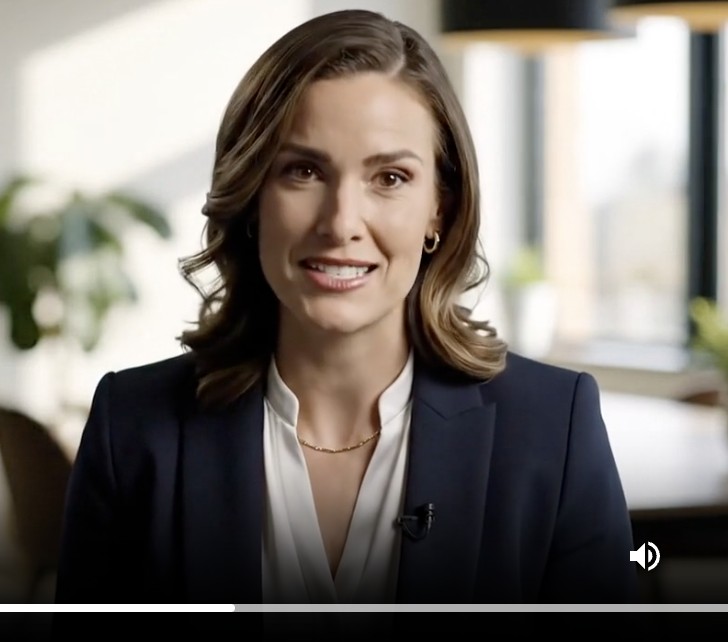
Clinical Documentation Agent
Captures encounters into ready-to-sign draft notes, discharge summaries, and patient-facing summaries while keeping the approving clinician in control.
- Drafts the note in the clinician’s voice with the relevant structure already applied.
- Prepares discharge summaries before the patient leaves the service instead of days later.
- Keeps every edit and sign-off attached to the same audit trail the organisation already needs.
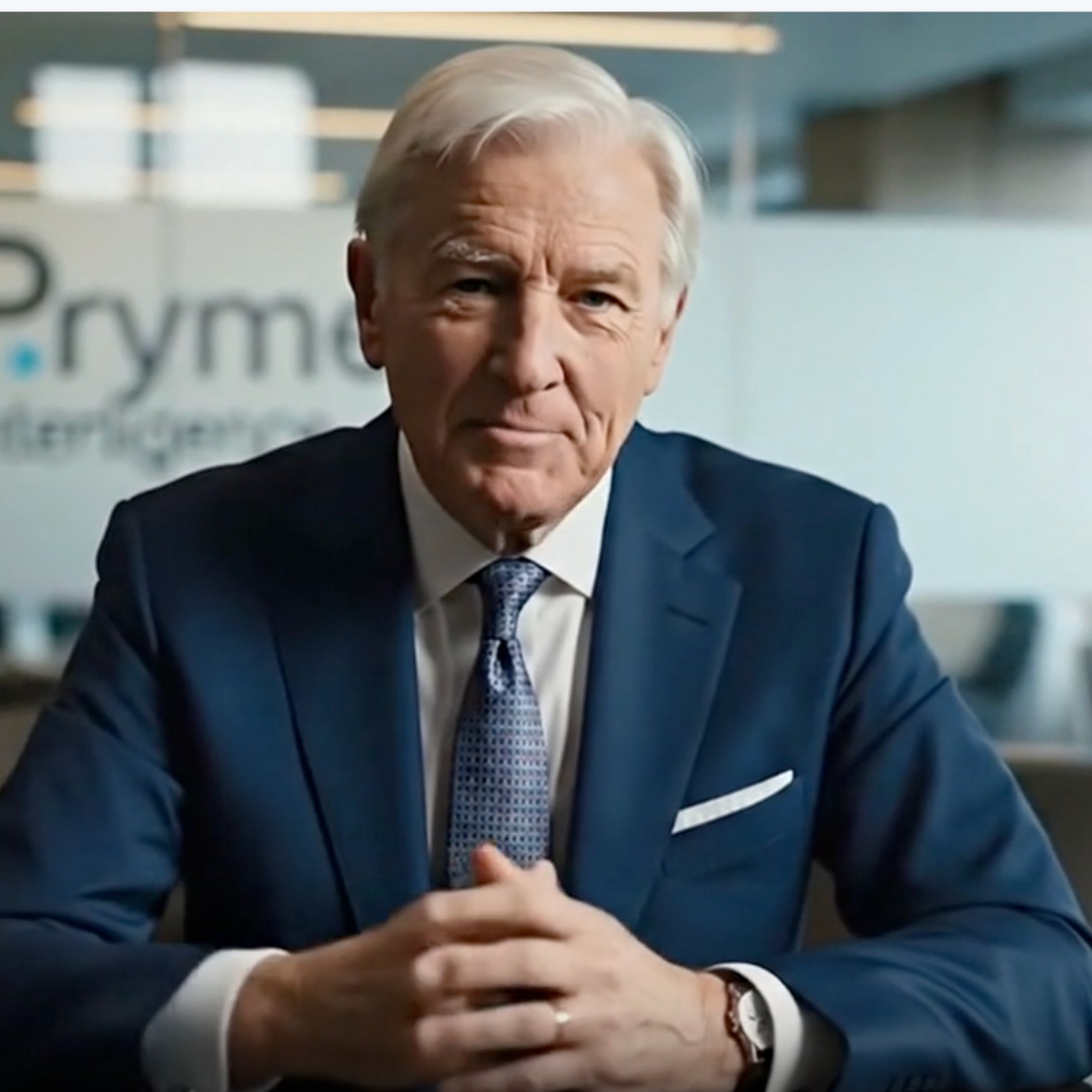
Healthcare Compliance Agent
Keeps privacy, safety, inspection, and governance workflows moving while preserving the evidence your clinical safety, privacy, and compliance leaders need later.
- Packages the operating evidence around each workflow as the agent runs, not after the fact.
- Keeps privacy and safety review outputs aligned to the actual deployed workflow.
- Supports inspection readiness without creating another manual documentation stack.
One Workspace runs every team — finance, compliance, service, operations, marketing, and HR.
Healthcare organisations adopt Pryme Intelligence one team at a time. The same governed operating layer reaches documentation, service, operational, and assurance workflows without adding another vendor per queue.
Financial Operations
Revenue-cycle controls, reconciliations, and finance workflows across the organisation.
Compliance & Risk
Governance, review, complaint handling, and regulated workflow support.
Reporting & Analytics
Board packs, quality reporting, and operational insight.
Customer Support
Patient contact-centre operations and routine service communication.
Operations
Care coordination, handoffs, exception management, and operational resilience.
Sales & Growth
Outreach, service-line demand, and pipeline follow-through where relevant.
Marketing & Content
Patient communications, campaigns, and branded content workflows.
HR & Admin
Workforce onboarding, internal service requests, and administrative support.
Pryme Intelligence adds evidence to the safety, privacy, and AI-governance frameworks your organisation already maintains.
Healthcare AI is reviewed across privacy, clinical safety, quality, and AI-risk lenses. Pryme Intelligence is designed to generate the evidence those functions need rather than handing them a project after procurement.
| Framework area | What Pryme Intelligence supports |
|---|---|
| Clinical safety and human oversight | Human approval remains in place for consequential clinical actions, with evidence attached to the operating flow. |
| Privacy and health-data governance | Tenant isolation, encrypted handling, and exportable access history support healthcare data-review requirements. |
| AI risk management | Monitoring, approval traceability, and review evidence are generated as the workflow runs. |
| Inspection and audit readiness | Exportable audit records support privacy, quality, and operational inspections without a separate reconstruction project. |
| Equity and patient-experience review | Signals, escalations, and monitoring can be reviewed against patient-safety and equity expectations. |
| Higher-sensitivity deployment needs | Region-scoped and engagement-specific deployment paths can be designed where the service requires them. |
Why an agent platform — not just an EHR add-on, a point scribe, or another fragile pilot.
Healthcare organisations have already seen the failure modes: tools that do one thing, pilots that never scale, and AI claims that outrun safety and trust. The question is whether the workflow can be defended later.
| Capability | Pryme Intelligence | EHR-bound add-on | Point AI product | Generic AI |
|---|---|---|---|---|
| Time to first governed use case | Days | Bound to the EHR release cycle | Point solution by point solution | Hours to prompt, but unsafe |
| Designed to avoid clinical AI failure modes | Yes — agent recommends, clinician decides | Often partial and workflow-bound | Varies by product | No structural safeguard |
| Sits above your existing clinical systems | Yes | Often limited to one system family | Usually no | No dependable integration path |
| Same platform as finance, HR, ops, and compliance teams | Yes | No | No | No |
| Audit trail for every action | Immutable, queryable, exportable | Partial | Fragmented | None you can defend |
Built for the healthcare leaders who own the clinician, the patient, and the audit.
CEO / executive leadership
You need the organisation to serve more patients with the workforce it has, without introducing the next safety or regulatory problem.
CMO / clinical leadership
You need clinicians spending their day with patients, not finishing charts at night, and you need AI that respects clinical judgement rather than trying to replace it.
CMIO / CIO / informatics
You need the workflow to sit in the operational context your teams already use, with data moving through governed paths instead of yet another disconnected tool.
Quality, privacy, and safety leaders
You need evidence that adoption improves control rather than expanding the unknowns around patient, privacy, and operational risk.
What changes in the first quarter.
Directional targets for the first 90 days. Bring one real care workflow to the walkthrough and Pryme Intelligence can model the lift on your own service.
| Metric | Today | With Pryme Intelligence |
|---|---|---|
| Documentation burden | Clinicians finishing notes after hours | Documentation drafted in workflow with clinician sign-off preserved |
| Discharge cycle | Summaries and handoff documents lag the patient | Discharge documentation ready before the patient leaves the service |
| Prior-auth and referral drag | Manual chase across inboxes and portals | Evidence-first queue movement with human approval retained |
| Inspection readiness | Evidence assembled after the request arrives | Continuous audit and governance state |
Bring a real clinical workflow.We'll show you what Pryme Intelligence does with it.
Pick one workflow you already run — documentation in one specialty, discharge on one ward, prior authorization on one line, referral coordination, or patient communications on one channel. We’ll show you a governed Pryme Intelligence agent on it live.
Questions healthcare leaders ask first.
Can a Pryme Intelligence agent diagnose, prescribe, or change care without a clinician?
No. Consequential clinical decisions stay with licensed clinicians. The agent drafts, routes, assembles, and records. The clinician decides.
How does Pryme Intelligence fit healthcare privacy and data-governance requirements?
Tenant isolation, encrypted handling, scoped access, and exportable audit history are part of the operating model. The service is designed to fit into the privacy and data-review path healthcare organisations already run.
How do you handle clinical-safety and regulated-workflow boundaries?
Pryme Intelligence is positioned to support clinicians and operators, not to market itself as an autonomous clinical decision-maker. High-stakes workflows stay human-approved, and SaMD-adjacent use cases require a separate engagement path.
Does Pryme Intelligence sit above our EHR and other operational systems?
Yes. The platform is designed to sit above the systems the organisation already uses and coordinate the work around them instead of trying to replace the core clinical record.
How does Pryme Intelligence avoid the failures associated with unsafe healthcare AI deployments?
By design: clinician approval for consequential actions, full auditability, explicit operating boundaries, and continuous monitoring rather than a one-time pilot mindset.
Does Pryme Intelligence support patient consent, transparency, and a human path?
Yes. The patient should never be trapped in an AI-only experience. Human escalation and patient-facing transparency are part of the deployment design.
How does Pryme Intelligence address equity and bias concerns?
The operating model supports monitoring, review, and escalation around vulnerable or high-risk cases so the organisation can keep humans accountable for the outcomes that matter.
Can we start with one specialty, ward, or workflow and expand later?
Yes. Most organisations start with one bounded workflow such as documentation, discharge, patient communications, or prior authorization and then expand inside the same Workspace.
What is the best first wedge?
Clinical documentation is usually the strongest first wedge because the pain is immediate, the savings are visible, and the clinician benefit is easy to feel.